
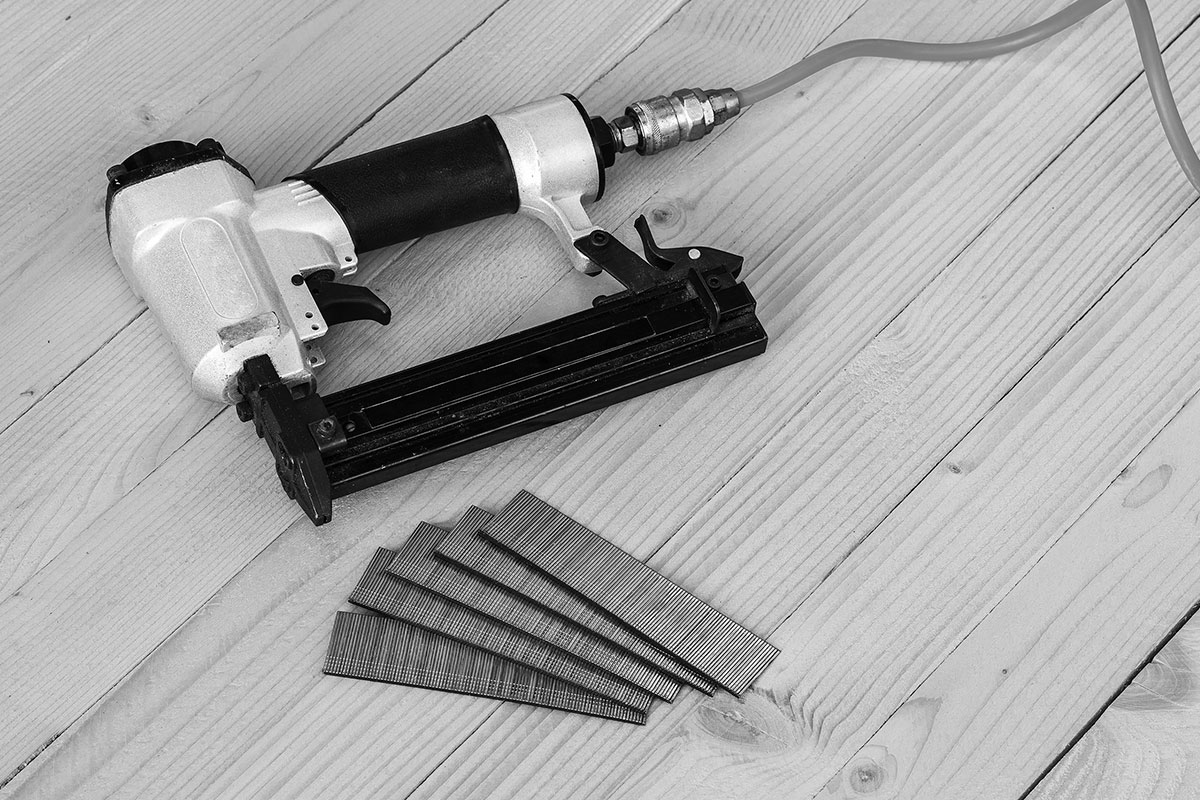
When tackling trim work, cabinetry, baseboards, or other woodworking jobs around the house, one question often arises: Should you use a brad nailer or a finish nailer? While they may look similar and even overlap in some uses, these two tools serve different purposes. Choosing the wrong one can result in split wood, weak holds, or even wasted materials.
This guide breaks down:
- The differences between brad and finish nailers
- Their ideal uses
- Nail sizing explained
- The pros and cons of cordless vs pneumatic models
By the end, you’ll know exactly which nailer to reach for, and when.
Understanding Nail Gauge and Size
Before diving into the tools, let’s talk about the nails.
What is Gauge?
Nail gauge refers to the thickness of the nail. The lower the gauge number, the thicker the nail.
Gauge Nail Thickness Typical Use
| 15 | Thickest | Finish Nailers, Strong Hold |
| 16 | Medium / Thick | Finish Nailer |
| 18 | Thin | Brad Nailers |
| 23 | Very Thin | Pin Nailers, Tiny Details |
Nail Length
- Brad nails: typically 15mm to 50mm long
- Finish nails: usually 25mm to 63mm long
Finish nailers accommodate larger gauge nails (15 or 16) that offer greater holding power, while brad nailers use 18 gauge nails, perfect for delicate work where splitting or visible holes are a concern.
What Is a Brad Nailer?
A brad nailer is a lightweight nail gun designed to shoot 18 gauge nails that are thin and have small heads, ideal for lightweight trim work.
Best For:
- Small trim and mouldings
- Cabinet backs and panels
- Picture frames
- Shoe moulding
- Finishing carpentry details
Pros:
- Leaves very small nail holes – often no filling required
- Low risk of wood splitting
- Ideal for thin or delicate materials
- Lightweight and beginner-friendly
Cons:
- Nails are thin, not ideal for holding joints under tension
- Not suitable for heavy moulding or structural trim
What Is a Finish Nailer?
A finish nailer uses thicker 15 or 16 gauge nails, usually from 25 to 63 mm long. These nails offer a much stronger hold and can support heavier trim and more demanding carpentry jobs.
Best For:
- Baseboards
- Cornices
- Door and window casings
- Stair rails and risers
- Cabinet construction
Pros:
- Strong hold in thicker wood
- Can penetrate hardwoods and thicker trims
- More versatile for a range of trim and finish tasks
Cons:
- Larger nail holes – usually require filling and sanding
- Higher risk of splitting thin or soft wood
- Heavier tool
Pneumatic vs Cordless Nailers
Modern brad and finish nailers are available in both pneumatic (air-powered) and cordless (battery-powered) models. Your decision will depend on how often you use the tool, the type of work you do, and your workspace setup.
Pneumatic Nailers
These nailers require an air compressor and hose.
Pros:
- Lightweight tools (no internal battery)
- Consistent power and performance
- More affordable upfront if you already own a compressor
Cons:
- Requires compressor and hose (less portable)
- Can be noisy and bulky to set up
Cordless Nailers (Battery or Gas-Powered)
Cordless models use lithium-ion batteries or fuel cells to drive nails – no hoses or compressors needed.
Pros:
- Total freedom of movement
- Great for jobsites or locations without power
- Quick setup and teardown
Cons:
- Heavier due to onboard battery
- More expensive initially
- May lose power or require recharging during long jobs
Quick Comparison Table
| Feature | Brad Nailer (18 Gauge) | Finish Nailer (15/16 Gauge) |
| Nail Thickness (Gauge) | Thin (18 gauge) | Thicker (15 or 16 gauge) |
| Nail Length | 15mm to 50mm | 25mm to 63mm |
| Holding Strength | Light duty | Medium to heavy duty |
| Best Uses | Delicate trim, small crafts | Baseboards, casings, moulding |
| Nail Hole Size | Tiny | Larger (usually requires filler) |
| Tool Size & Weight | Smaller, lightweight | Larger, slightly heavier |
| Risk of Splitting | Low | Medium to high (with thin wood) |
| Finish Quality | Cleaner finish, minimal filling | More visible hole – needs touch up |
So… Which One Do You Need?
Choose a Brad Nailer if:
- You’re working on thin trim, lightweight wood, or detail work
- You want a clean finish with minimal wood filling
- You’re doing craft projects or hobby carpentry
- You’re installing thin trims around windows or finishing off cabinetry.
Choose a Finish Nailer if:
- You need stronger holding power
- You’re installing baseboards, door frames, cornices, moulding or stair components
- You’re comfortable filling nail holes for a professional look
- You’re working with hardwood or thicker boards.
Own Both for Maximum Flexibility
If your budget allows, owning both a brad and a finish nailer can greatly increase your capabilities. Use the brad nailer for fine, delicate work and the finish nailer for trim and carpentry that needs a stronger hold.
Over to You…
Choosing between a brad nailer and a finish nailer comes down to project needs and material type. If you’re unsure, start with a brad nailer – it’s more forgiving for beginners and leaves a cleaner finish. But if you’re tackling larger trim, heavier boards, or need a stronger hold, a finish nailer is the workhorse you want in your tool kit.
Think about your project, material type, and workspace when choosing between cordless vs pneumatic, and always match the nailer to the job – not the other way around.
Still unsure? Talk to us for expert advice and trusted service.
Whether you’re a weekend warrior or a seasoned pro, Allfix has the right tools to help you nail it every time!